

DIARY 12: AUGUST + SEPTEMBER
Wrapping up a dreamy summer in Paris and heading straight into a busy month, back in LA

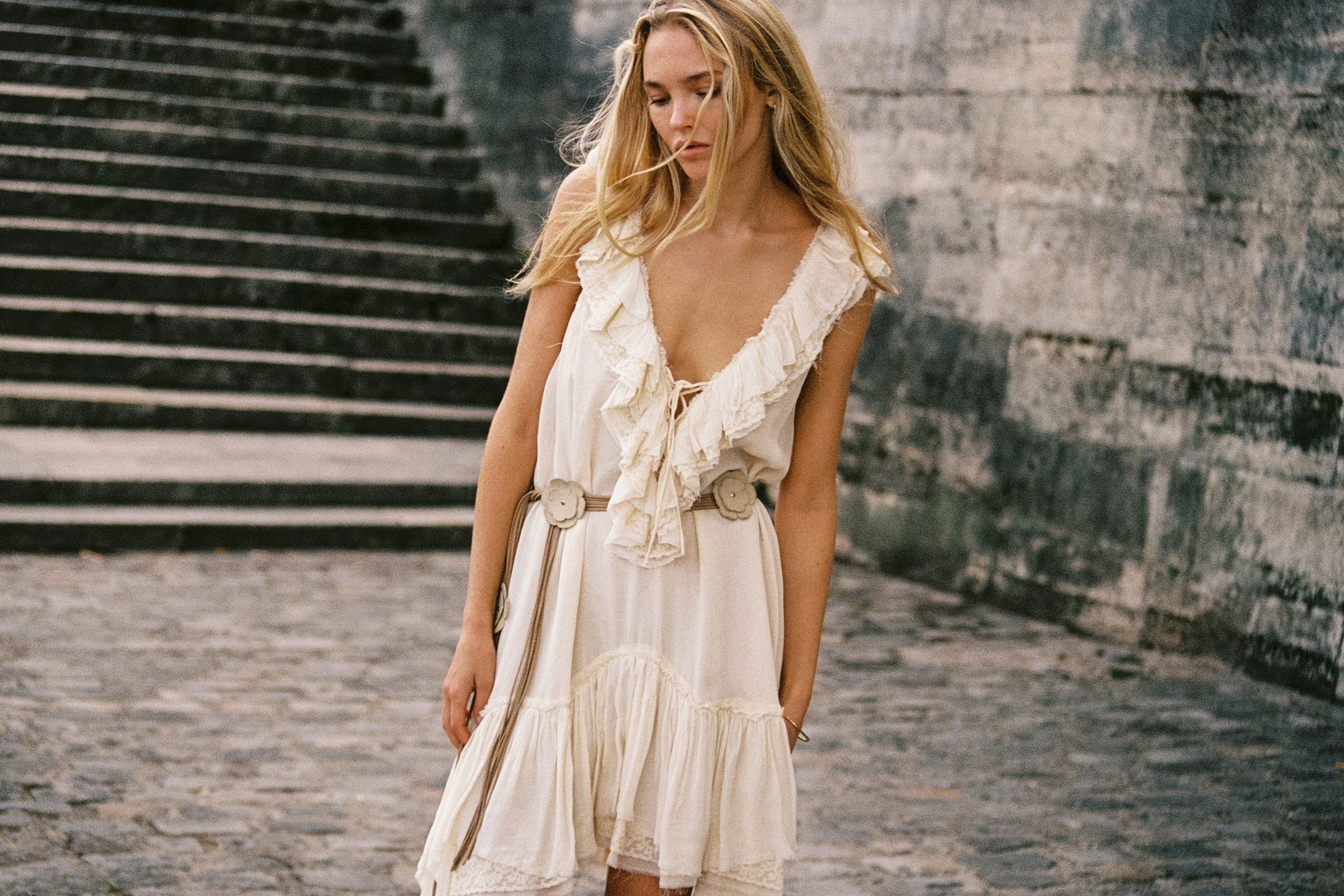
I started writing this diary eight days into September, and even then, I was still processing the month of August — and really, the whole stretch of my time in France. Both July and August seemed to fly by in a blink. In LA, I’m used to months packed with shoots, personal projects, and a busy schedule, but this summer looked a bit different.
Work was intentionally slower — I had two full-day campaigns here in Paris that I prepped and produced, both of which went so smoothly, but outside of that, I let myself really enjoy just living in the city. Paris can feel overstimulating at times with the noise and crowds, so many days were slower: working here and there on some graphic design projects, watching Gilmore Girls, cooking with all the fresh market produce, and leaning into that quieter rhythm of August (when half the city goes on holiday). We also started getting on-and-off summer rain, which made cozy movie days at home even more enjoyable.
September already feels much more stacked with shoots and plans, but looking back, August was more about enjoying the city, being with friends, and giving myself space to think about the projects I wanted to return to when I was back in LA.
Looking ahead, I have a few test shoots lined up with models I’ve been in touch with for a while back in LA. I also have a couple of editorial ideas I’m eager to produce over the coming months. On the creative side, I’m really missing shooting Super 8 — both of my cameras are currently broken, so getting one repaired is high on my list. I’d also like to experiment more with medium format film and compare the results of hand-printing that format versus 35mm, just to see how different the results are.
On the business side, I’m planning two new marketing experiments this fall. First, I want to build out a quarterly email list to share new work with clients and friends — a way to keep my portfolio circulating consistently. I’ve been thinking about doing this for some time, and funny enough, both Alicia Waite mentioned it in her recent diary and a friend sent her first portfolio newsletter last month, so I think I’ll take that as my sign!
Secondly, I’m seriously considering bringing on a virtual assistant to help with pitching and email outreach. It feels like the right time to start streamlining some of those tasks so I can stay focused on the creative side of things. I will update you on all that soon, but I am still brainstorming the best way to organize that all.
One thing I’ve been thinking about a lot this summer is the juxtaposition between busy months and slow months in freelance life. At first, the slower stretches can feel scary — almost like failure. But the longer I do this, the more I realize that those seasons are actually the key to building something sustainable. You can’t have big periods of output without time to rest, recharge, process, and dream.
This summer in Paris really gave me that. It was time to sit still, think about where I want to go, and let new ideas come to me. The fact that I ended up with this long list of things I want to experiment with felt like a direct result of slowing down and living at a different pace. I’ve been so lucky to have a busy year of work, and honestly, part of why I’ve leaned into that so heavily is because my day-to-day in LA has felt a little less joyful. Work has become an even bigger source of joy for me — which is amazing for my career — but it’s also a reminder that the quiet seasons are just as important for finding balance.
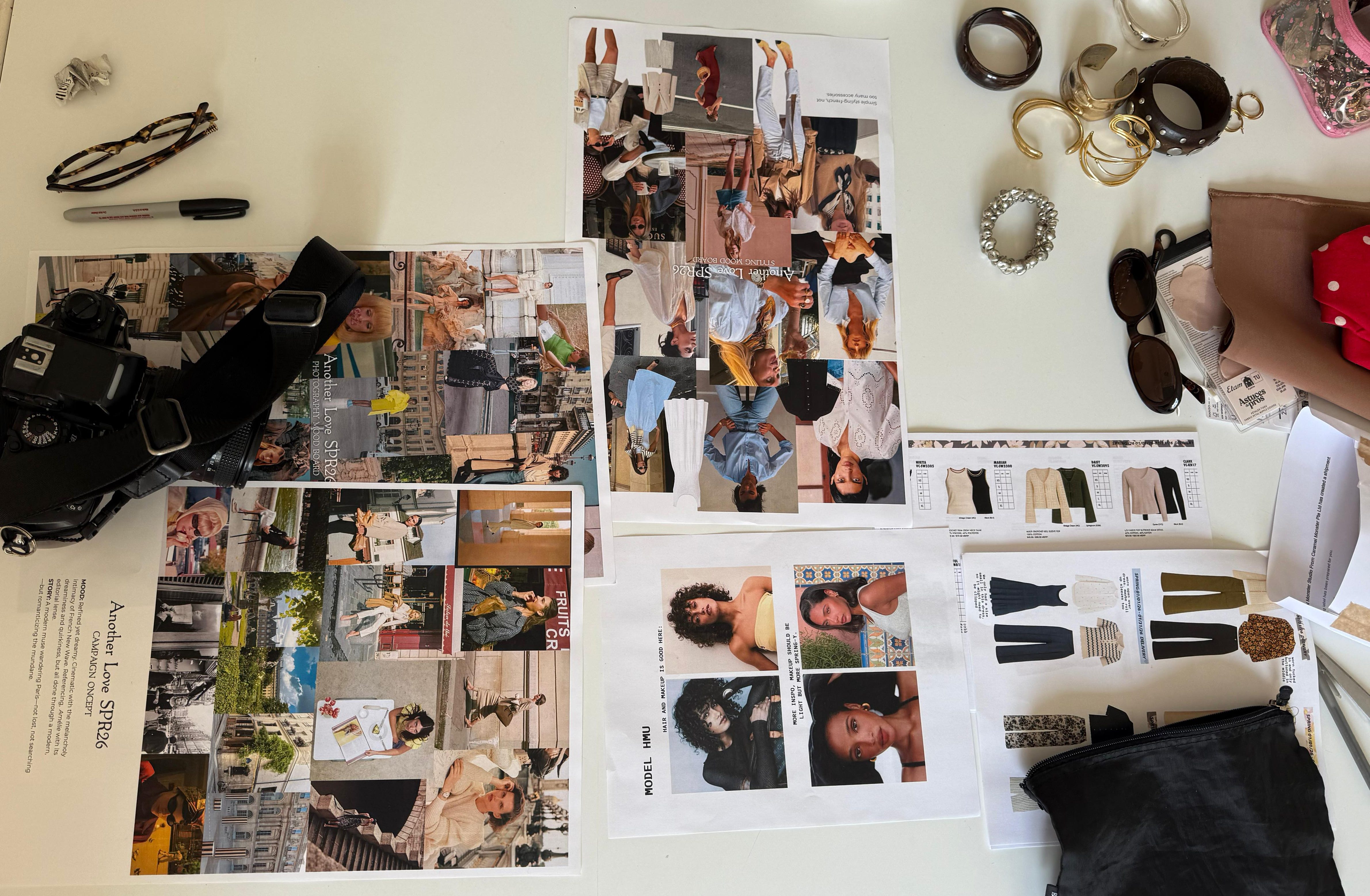
Not to say I did absolutely no work in Paris. I actually shot two full-day campaigns in August—one of which I’ve already written a full case study on that I’ll be sharing in the coming months. Funny enough, I don’t feel like I have too much to say about them here, mainly because both days went so smoothly. I hired my friend Ileana to assist and shoot some iPhone BTS on both shoots, and on the busier day when the schedule was tighter, I brought on her husband as a second assistant.
I’d been a little nervous going into the first one, just because it was my biggest shoot in Paris to date and we were bouncing between several different locations. But in true fashion, my meticulous planning saved me. I had every outfit paired with its styling and location mapped out in a Canva doc, a schedule that outlined how long we could spend on each look, when and where lunch would be ordered, and even down to how many frames per roll I could allot for each look. That level of preparation made the day flow effortlessly, and I could really just focus on creating and ultimately having fun. Because what are we doing if we aren’t enjoying this silly little job we have? We shot 14 looks for the first campaign and 18 for the second.
The second campaign I shot in August was for a client I had worked with earlier in the year, and this one did come with a few hiccups.
One of the biggest hurdles was a tale as old as time - the package was stuck in customs. This is something you always hear about, but don’t fully understand until it happens to you. The hardest part is that it doesn’t explicitly say “stuck in customs” on the tracking info; it just stops updating altogether. In this case, it was stuck for two full weeks, which was stressful because I thought we might have to cancel the shoot entirely. Luckily, I was in Paris for a long stretch, so we were able to keep pushing the shoot date back until the very last week I was there. And by some miracle, on the very same day that my brand contact told me they were ready to pull the plug, the package suddenly started tracking again and landed in Paris. Crisis averted!
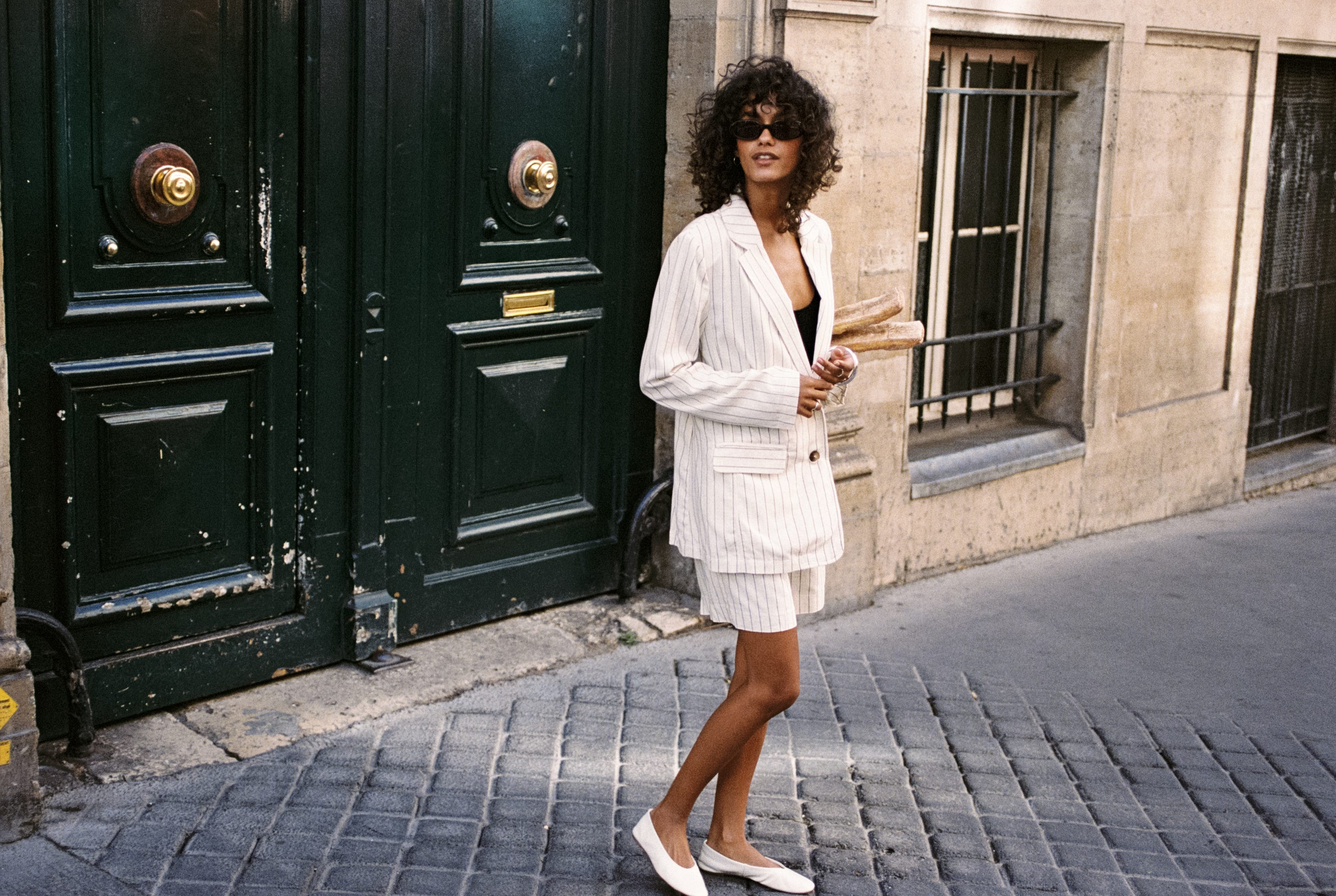
The one personal shoot I did in August was with Thea again, someone I’ve been photographing for four years now. She’s one of those models who really inspires me, and I always try to shoot with her whenever I’m in the city. Despite working together multiple times, I haven’t quite landed an editorial with her yet. A big part of that is due to timing. Her schedule is always packed between traveling and raising her child, so our shoots tend to be last-minute, often with just a day’s notice. It makes it tough to plan a fully formed editorial around her, but because I was in Paris longer this time, we were able to shoot twice. I shared some images from our first shoot in my July diary. For this shoot, we styled half the looks with high-end vintage pieces borrowed from a vintage shop and the other half with lingerie so that the images could be published right away.
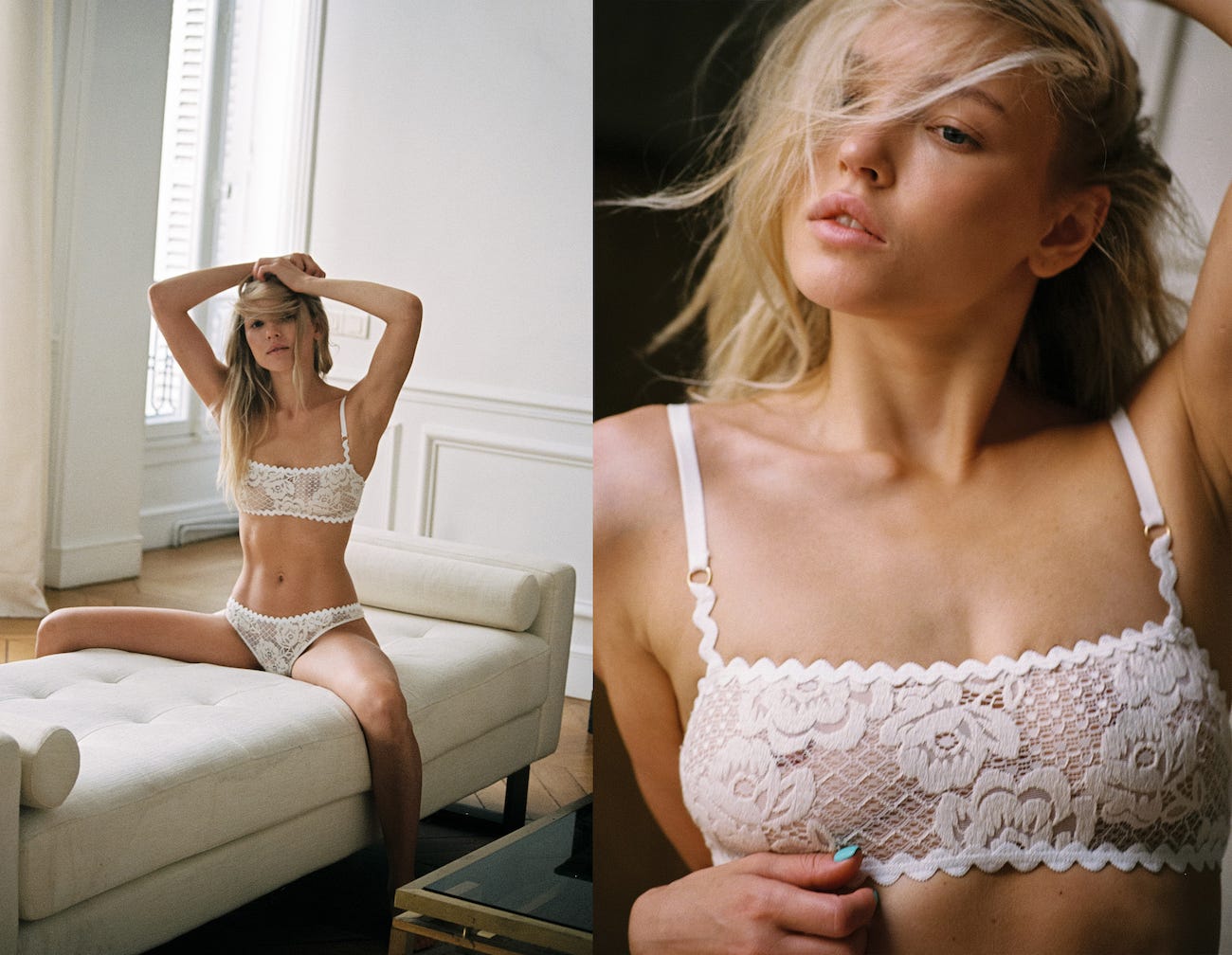
That said, when I look at both shoots together, I can see where I made some mistakes. My biggest regret was not having a super well-defined creative direction from the get-go. The first shoot took place at a Spanish-style apartment that I was staying in at the time, while the second took place in a very Parisian apartment. While the Spanish tiles were beautiful, they created an interesting orange glow to the photos, and in general, were not very cohesive with the 2nd set of photos. I ended up only using one look from the 1st shoot in my editorial pitch.
I also realized that styling is where I often make the most mistakes. Photography feels natural to me, but styling can be a hit-or-miss. I sometimes overcomplicate things when the stronger choice would have been to keep it simple, while other times, outfits can look too simple and unfinished. I find it hard to find that line. For example, there was one look from the 1st shoot with a suede dress layered over a lace top—beautiful pieces shot along the Seine and very Parisian! But the combination just didn’t fit the 2nd set of photos I shot so again, this look was chucked from the editorial. I could have maybe avoided this by shooting the look a few different ways, perhaps with one option with the suede dress alone, but we were also on a pretty tight time crunch that day so what can you do. C’est La Vie, as they say.
Another lesson came from shooting in low light. I only had Portra 400 with me, and in that dark Parisian space, my light meter was reading shutter speeds as slow as 15 seconds. To compensate, I pushed the film by rating it at a higher ISO, essentially telling the camera the film was more sensitive than it actually was. I didn’t flag this for the lab, but it gave me just enough extra light to save the photos.
All in all, the shoot was valuable—both for the images I created and the lessons I learned. Next time, I’ll prioritize having a clear creative direction and try my best to keep the styling more cohesive.
September
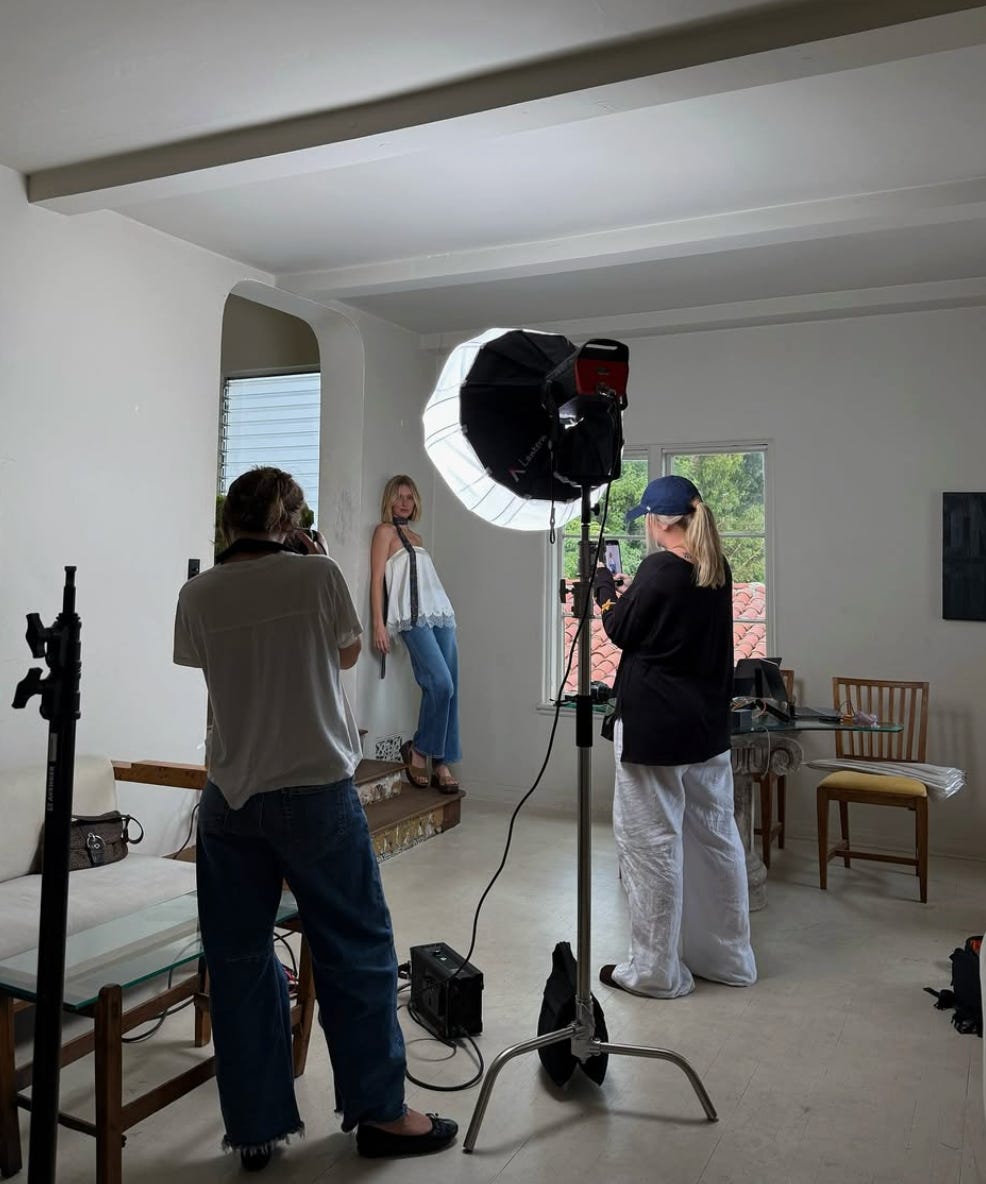
September was straight back to work, which honestly helped keep the post-travel blues at bay. I didn’t have much time to dwell after getting back from France.
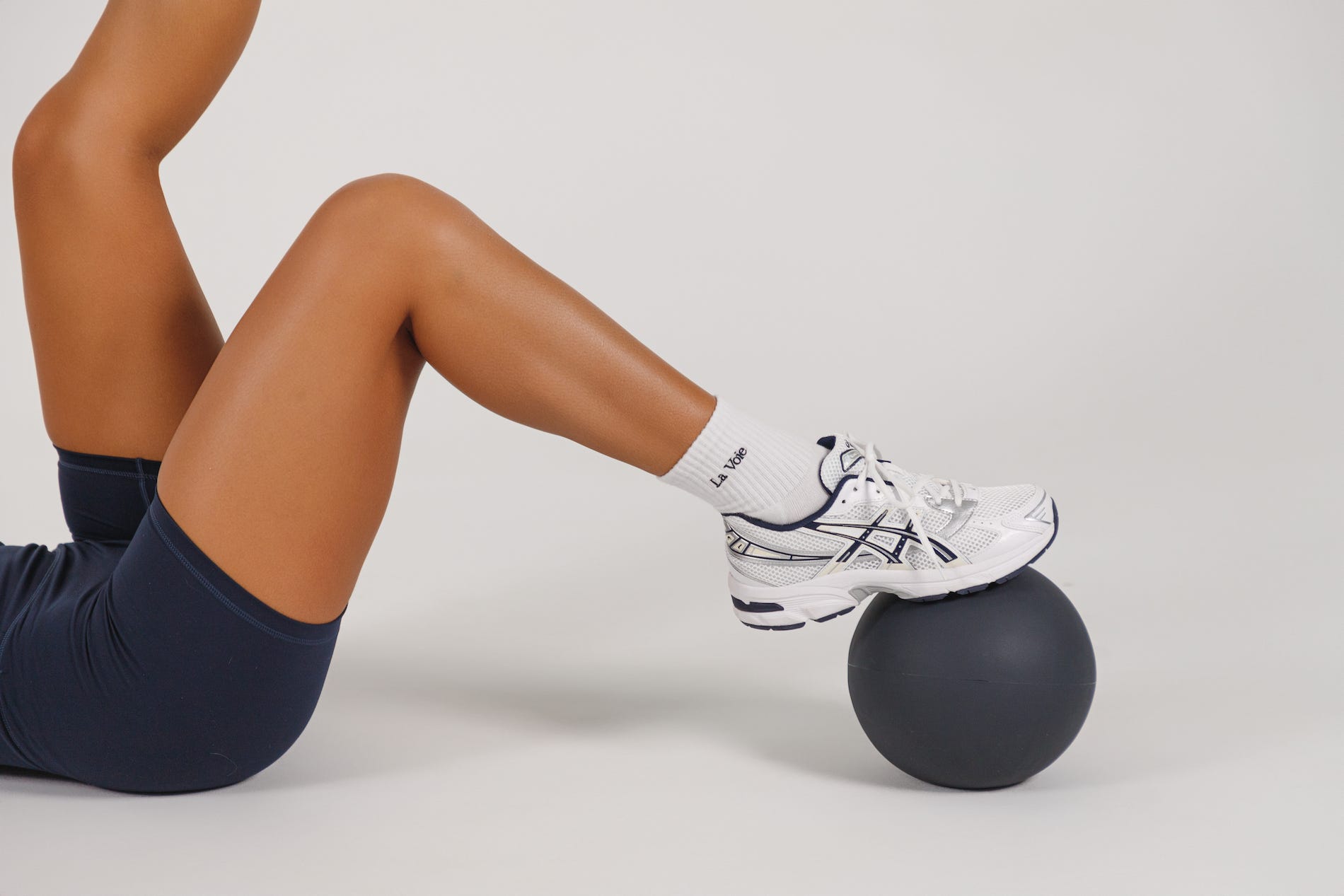
My first shoot of the month was for a new activewear brand. It was a studio shoot, half e-commerce and half studio lifestyle, using some simple props. We worked on a white cyc wall with two continuous lights and three models, so I was shooting pretty much nonstop. The client and I agreed on about 100 deliverables, but she came back with nearly 400 selects out of the 2,500 images we shot.
You know that feeling when you’re halfway through a task and realize it’s taking way too long, and there has to be a better way? That’s exactly what happened while I was culling these images from her selects. I used ChatGPT to research a solution and discovered a program called Photo Mechanic. With its free trial, I was able to import her Excel file of image names, automatically pull the selected files, and then re-upload them into Lightroom. I wish I had thought of this sooner as it would have probably saved me 2 hours of time. I then narrowed the selection down to 300 and spoke with the client about additional compensation to cover the extra processing work, which she happily agreed to. For me, it’s always important to take a moment to explain my process. Communication is key—clients don’t always realize how much time post-production takes, and I think it helps to educate them a little on what goes into it. Processing 300 photos versus the original 100 we agreed upon is quite a big difference.
That said, I only added on a couple extra hundred dollars to the invoice since the overall shoot went really well and I felt fairly compensated. I wasn’t looking to nickel-and-dime, but I did want to make sure my time was acknowledged. I think it’s about finding that balance: respecting your own boundaries and labor while also maintaining a positive client relationship.
So here’s a little look into my post-production process:
Use Photomechanic to cull 400 image selects via Excel doc
Reimport culled photos in Lightroom
Took out redundant photos and narrowed the selection down to 300
Copied over the tethered edit settings
Color correct red/orange hues (one of the models’ skin tones came out quite red) & crop photos
Export photos as full-res JPGS
Import to AI software to deshine faces + clean up floor > export
Manually color correct and retouch select photos as needed in Photoshop
Hardrive Management
Another project this month was less glamorous, but just as important: hard drive management. Like most photographers, I’ve had my fair share of hard drive issues in the past, and this year I’ve been really focused on building systems for my business. Earlier in the year, I started organizing my negatives; now I’m doing the same for my digital files. I invested in several SanDisk SSDs (1–2TB each) and divided them by year and purpose: one for 2025, one for 2023–2024, one for 2018–2022 (back when I was freelancing part-time), one just for family photos, one dedicated to my portfolio, one for miscellaneous, and one specifically for a retainer client. All of this is also backed up onto a large 12TB drive.
The logic behind the portfolio drive is having easy access to all my favorite images without having to think about what year and what drive they may be on. It’s a 2nd backup to safeguard all my best work which is also a nice piece of mind. Whether it’s client work I’m especially proud of or personal projects I keep returning to, I like having all of my favorite portfolio images stored in one place. My next step is to back up that portfolio drive onto some sort of cloud service.
In my research, I once came across the advice that you should always have two hard copies of your data plus a cloud backup. For me, that feels a bit excessive when it comes to all of my work. I did try using Dropbox at one point, syncing it to my desktop and hard drive, but it just never worked the way I needed it to. Every time I plugged in my drive, Dropbox would start uploading and syncing — only to tell me it would take something like 50 days to upload. Needless to say, that never happened.
Instead, I’ve realized that a more realistic system for me is having my full archive across hard drives, and then creating a smaller, curated selection of images that I want backed up to the cloud. That way, I have my most important work in multiple places, but I’m not overloading cloud storage with terabytes of files that don’t really need to live there.
International Payment
This summer was also my first time really having to navigate international payments from a client — and wow, I learned some lessons the hard way. I had worked with an Australian brand before, but I don’t even remember how I got paid back then. This time was different because I was in Paris and needed the funds quickly to produce two campaigns and pay the models.
For both shoots, I required a 50% deposit on the production budget, which felt like a good move, but here’s where I messed up: I used PayPal. At the time, it seemed like the easiest solution — I could just send a link and the client could check out right away. However, it ended up being one of the biggest mistakes of my summer. Between the flat fees ($80 on one transfer and $112 on the other) and the terrible conversion rate from Singapore dollars, I ended up losing several hundred dollars. Lesson learned.
Now that September rolled around, I was preparing to invoice the client for the remaining 50% and was determined to avoid those fees. I spent hours on the phone with Charles Schwab trying to understand how to process a two-tiered international wire transfer, which was confusing and complicated. Then I remembered Wise, an app several international friends had recommended to me. The second I signed up and saw how easy it was to send and receive money, I realized how much time (and money) I could have saved if I’d been using it all along. It basically allows you to set up bank accounts in multiple countries, has great conversion rates and little to no fees.
If you want to try using wise, you can use my invite code: https://wise.com/invite/dic/heatherannel18
Flow and Intentionally
The last week of September, I found myself freed up from client work and finally had time to focus on some tests. After doing less personal work in Paris this summer, I was craving the warmth and expansiveness of California’s coast, something I missed after two months of city living.
One thing I’ve learned about test shoots is that they are so much more successful when there’s intentionality behind them and time for prep, styling, and the space for the concept to develop. There’s a kind of flow that happens when the inspiration aligns, and I’ve been trying to listen for that instead of forcing ideas that don’t feel right.
For weeks, I had been circling around a shoot idea with a model I’d been talking to about testing with for months. She’s absolutely stunning, and I knew I wanted to create something special with her, but every time I sat down to conceptualize, nothing fully clicked. I’d scroll through Pinterest boards, flip through my saved images from photo books, and try piecing together outfits or locations, but it all felt forced—like I was trying to make an idea work that wasn’t quite right. Then out of the blue, I got an email from an agent about a different model coming to town, interested in testing, and strangely enough, that’s what unlocked everything for me.
I felt this model fit the vibe I started conceptually for the first model so much better. Then I remembered this vintage boat concept I’d been sitting on for ages. Earlier in the year, I had even created a very specific moodboard for it on Canva and tucked it away for a rainy day. I realized the first model was perfect for the boat idea, while the second model could really shine in the concept I had already been building. It was like all the puzzle pieces shifted into alignment at once. That kind of flow is sometimes rare, but I’m learning to trust those gut instincts—when everything clicks and starts to feel inevitable, that’s usually a sign you’re on the right track.
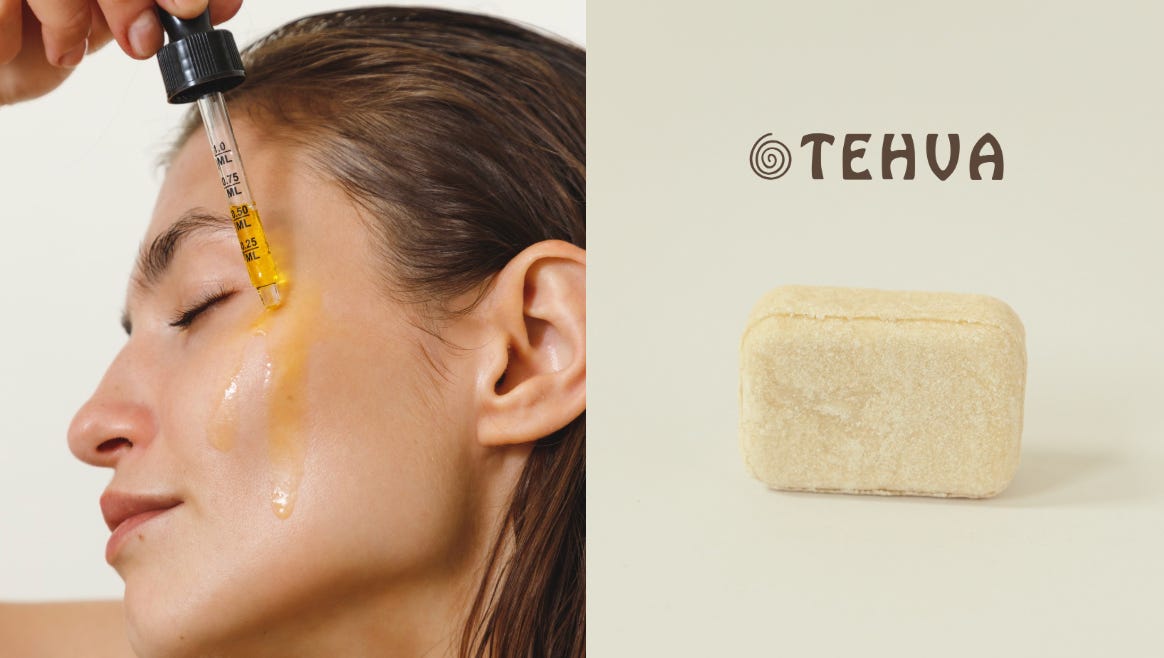
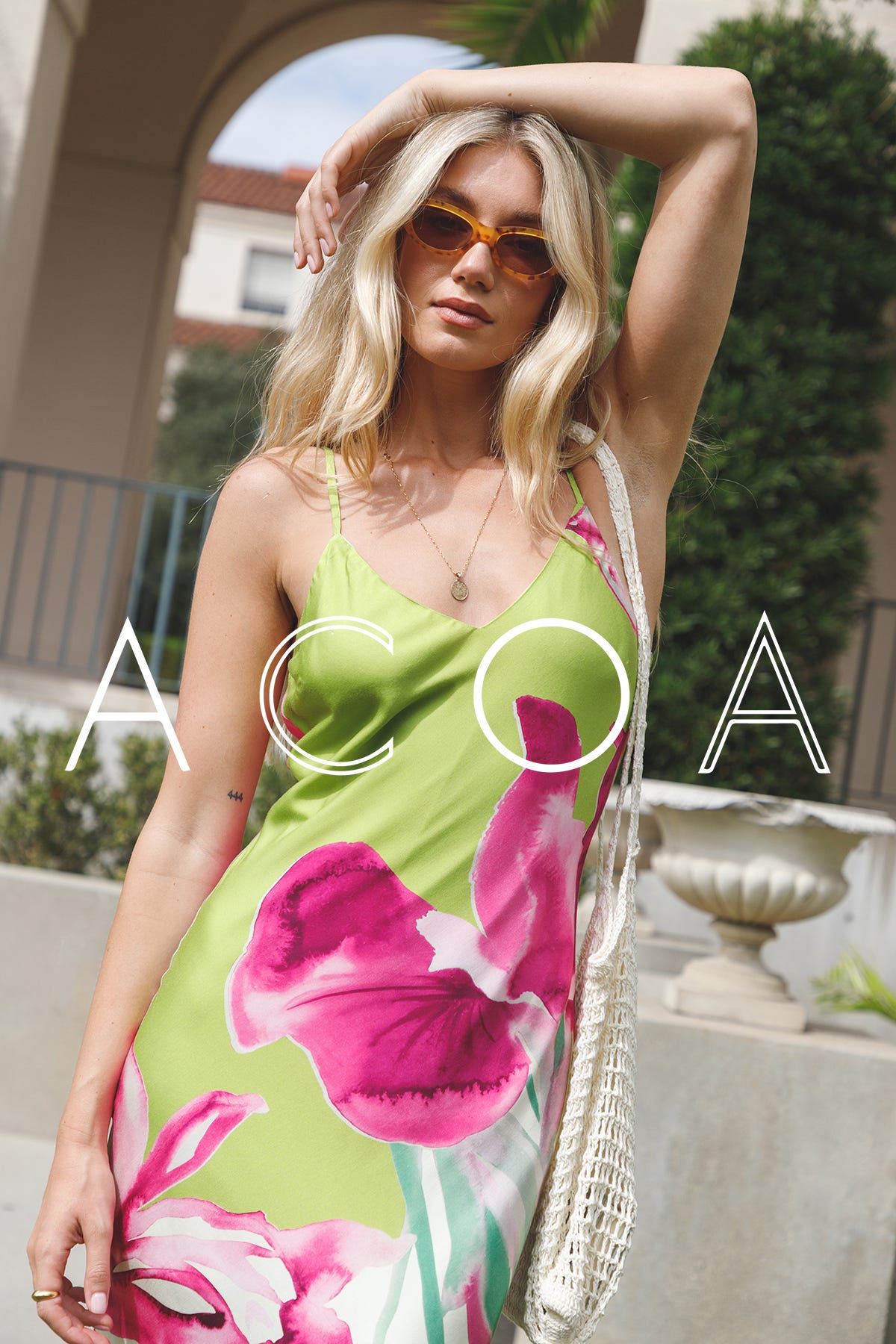
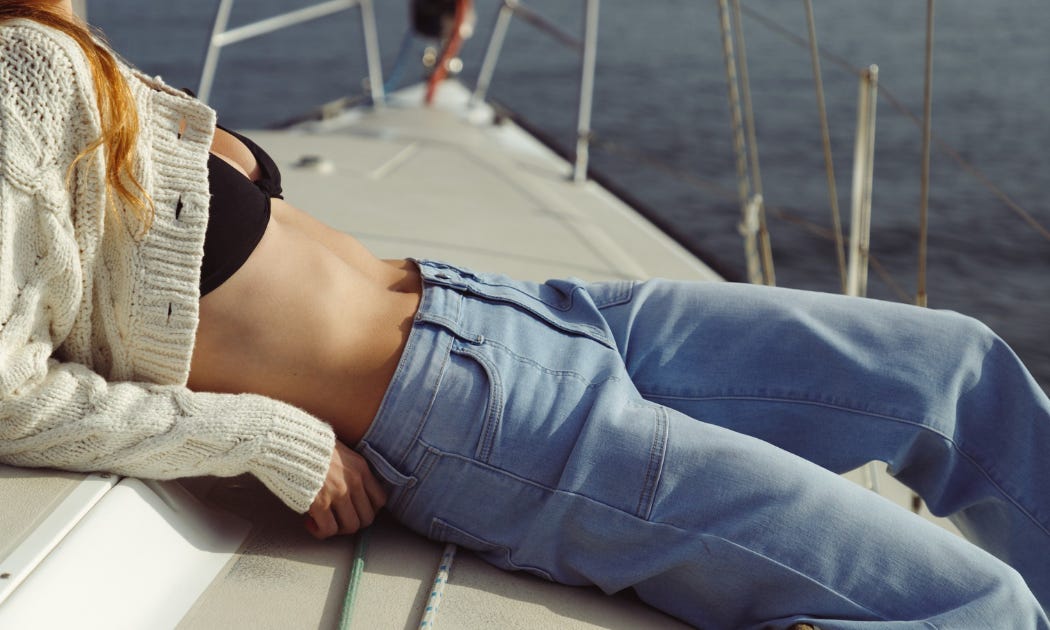
Some work I did this past month:
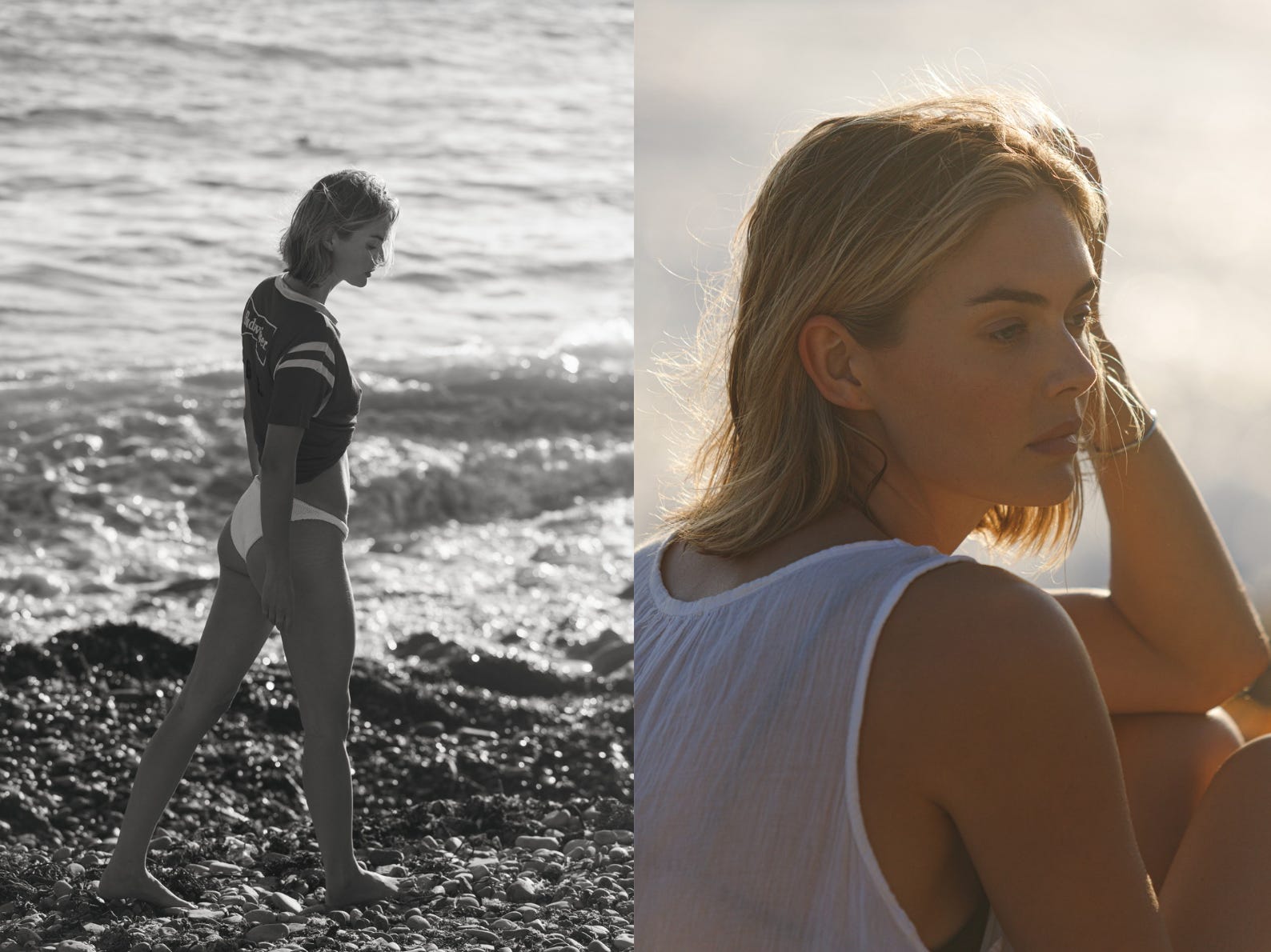
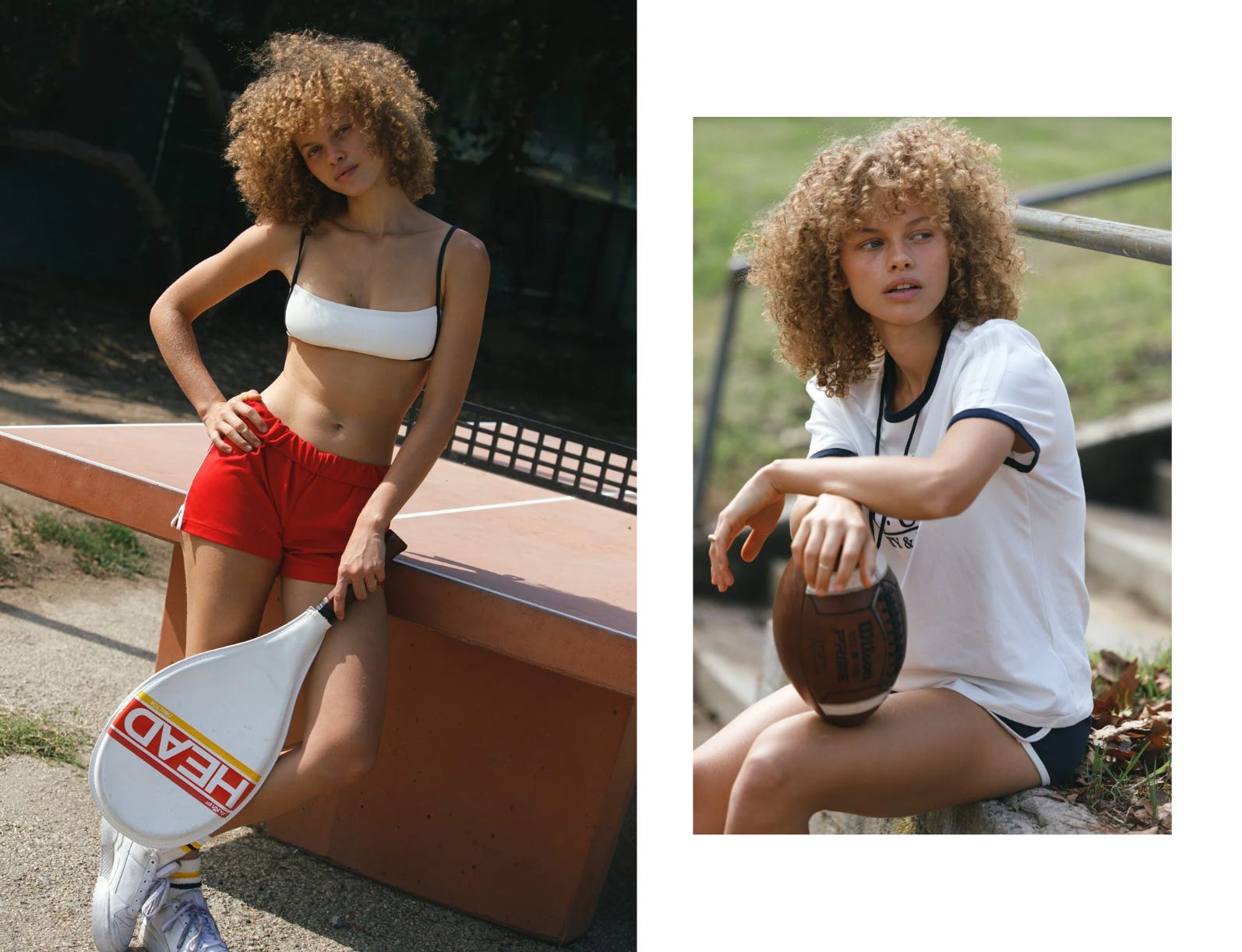
Thank you again for reading as always. Till next time -
xx
Heather
Gorgeous to infinity